



Lighting Has Surpassed Utility — It’s a Feeling and Experience
Lighting design has always been about being able to see spaces and details more clearly, but our ability to manipulate light fixtures at lower costs—and with smaller-sized LED drivers that pack more power—has created new avenues for lighting capabilities. Architectural lighting demonstrates how it’s no longer just about visual comfort—it’s also about the overall emotional experience that’s created.
Done right, architectural lighting acts as a design element in indoor and outdoor spaces—shaping mood, guiding the flow of vision and physical movement (such as in museums and art galleries), and elevating the overall aesthetic of the space.
Architectural lighting is only growing more popular as we recognize that lighting can be at once functional, expressive, sustainable, and customizable. Here are 6 architectural lighting trends to consider when designing your next lighting project.
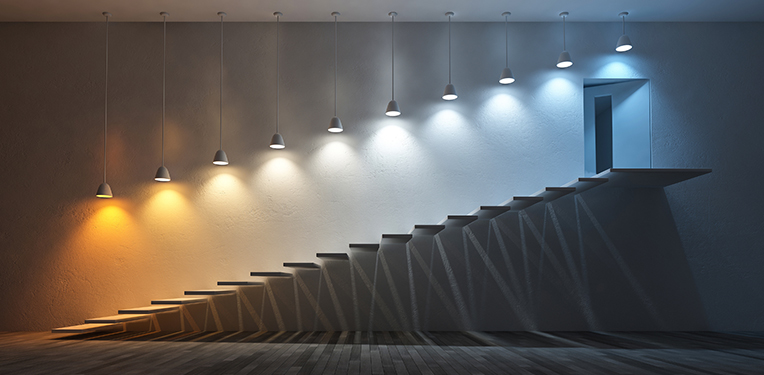
1. Tunable and Dynamic LED Solutions
Static white or yellowish light now seems almost austere, although it used to be a norm. Now, tunable white and fully-dynamic LED systems mimic natural daylight, and can even be programmed to mimic the sun’s progression throughout the day—shifting in color temperature and intensity from warm morning hues to cooler midday tones. In workspaces especially, these “smart” fixtures have been shown to enhance human comfort and align with circadian rhythms.
Architects and designers can now deliver an experience that takes occupants from energizing daylight to soft evening ambiance using a single system. Commercial, retail, work, or living spaces can enhance people’s wellness and productivity with these natural lighting transitions, and today’s LED technology allows for seamless integration with building management and local lighting standards.
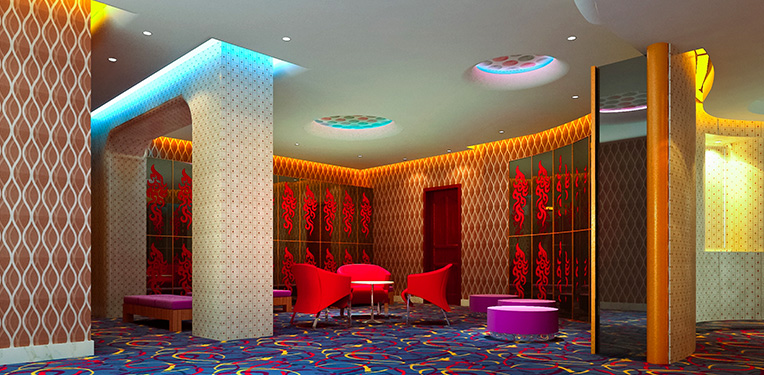
2. Slim, Compact or Hidden LED Fixtures
It’s all about lighting being less visible but more impactful, which is driving a trend for hidden fixtures, slim recessed linear lines of light, or extremely compact downlights or accent lights . With the capability to be seamlessly tucked into coves, channels, and corners—or enclosed in shallow housings—walls and floors can enjoy soft, shadow-free illumination without a bulky or high-visibility lighting system.
This so-called “invisible” illumination is popular in premium commercial or contemporary high-end residential interiors where designers want the focus on architectural details or the interior design—not on visible hardware. A clean, sculptural aesthetic, coupled with ease of integration into frames or ceilings, make both lighting designers and contractors happy.
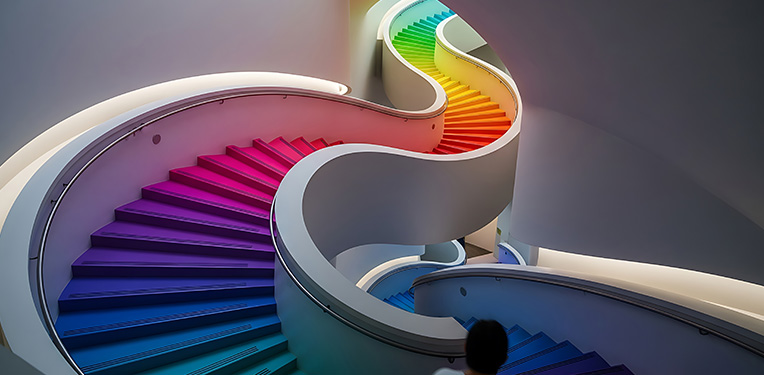
3. Kinetic and Responsive Lighting
Motion lighting is a trend that certainly has its place—urban designers are incorporating color-tunable LED lighting into high-end hotel lobbies, atria, or facades to emulate a theatrical, stage-like experience and engage visitors with interactive visual experiences. Kinetic fixtures can employ movement using shifting angles, colors, or beam patterns based on triggers like occupancy, time of day, or other human-centric inputs.
Lighting designers can craft unforgettable emotional experiences through light in motion; however, these fixtures do require specialized control systems and maintenance.

4. Sustainability & Energy Efficiency
Sustainable lighting has been a mainstay in the industry for years, but further advances in highly efficient LED modules, daylighting integration, and smart controls (like occupancy sensing and daylight harvesting) have drastically reduced energy usage, making sustainable lighting even more attainable for designers and contractors—and more cost-efficient for building owners.
Additionally, lighting fixtures now are often made using recyclable materials and low-carbon manufacturing processes, increasing the sustainability impact of an overall structure.
Energy codes and green building rating systems (like LEED or WELL) have made architects and commercial owners even more concerned about the environmental impact of the type of lighting they’re using. Lighting designers and specifiers can create elegant solutions that are both beautiful and sustainable.
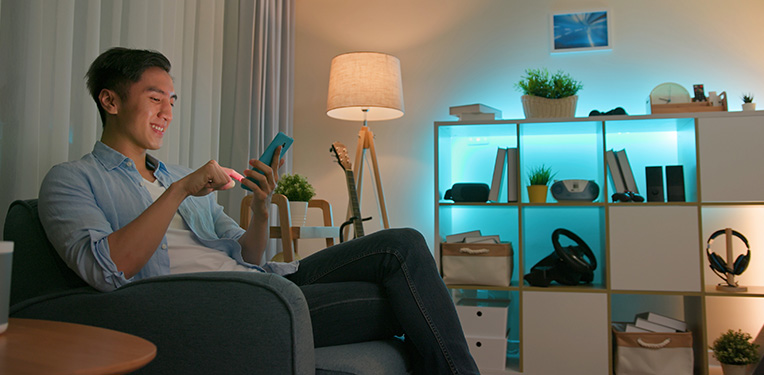
5. Customization & Integrated Controls
Lighting never used to feel personal, but modern systems offer customizable control over color, brightness, timing, and even scene creation—simply by using an app or control panel. Options include bespoke lighting profiles tailored to different users, times, or events, perfect for shared living or working spaces with different rooms being used for different purposes.
A nuanced control interface is an ideal solution for premium commercial spaces especially, as it can adapt lighting to daily rhythms, seasonal moods, or special programming. It also offers both designers and specifiers alike creative flexibility and interoperability.
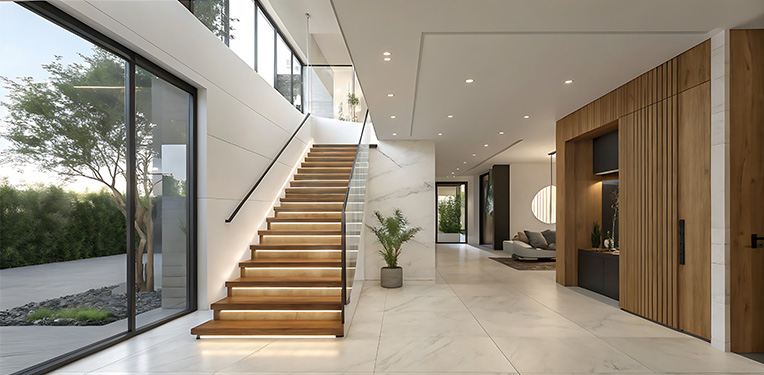
6. Human-Centric Lighting
Human-centric lighting mimics natural light patterns and integrates nature-inspired textures and elements into indoor spaces. Designed to promote wellbeing, health, and harmony, human-centric lighting is gaining traction as a way to capture the feeling of the outdoors while being inside.
Lighting has progressed such that buildings are no longer just more efficient—they’re more alive. Occupants can experience better health, mood, and connection to nature, especially impactful in spaces like healthcare facilities and workplaces.
Architectural lighting is truly a marriage of form and function, and these trends empower professionals across the board to do much more with their lighting design and create immersive experiences.
- Architects & Urban Planners: Integrate lighting as intrinsic to their designs, while balancing aesthetics, emotion, and urban context.
- Lighting Designers: Push creative boundaries with responsive, invisible, or dynamic fixtures.
- Commercial Owners: Elevate brand image with a green building certification, while boosting occupant comfort and reducing operating costs.
- Contractors & Specifiers: Leverage standardized, modular products that meet cutting-edge demands and integrate with smart controls.
ERP Power manufactures energy-efficient drivers, control modules, and smart-lighting infrastructures that enable tunable, kinetic, and seamless lighting experiences. Our systems support programmable dimming, color tuning, occupancy sensing, and more.
Whether you’re working with compact round or slim linear modules tucked into ceilings or walls, or with dynamic installations that respond to the world around them, ERP Power has the highly reliable, certified power solutions to bring modern lighting designs to life.
Contact ERP Power to learn how our drivers and light engines can turn your next lighting project into a truly illuminating experience.