


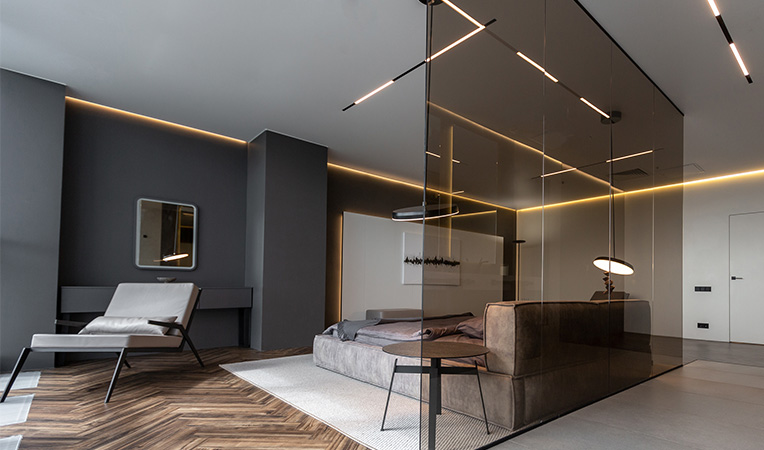
The 5 Trends Shaping General Lighting for 2026
There is a “basic” model in almost every product category, but advancements in technology are elevating even the most basic models to do more. General lighting is no exception. Where this lighting category was once dominated by fluorescent tubes and screw-in lamps with bare-bones functionality, it has quietly evolved to offer better light quality and output, greater energy efficiency, smart features, broader functionality options, improved cost efficiency, and sustainability.
In addition to these capabilities, the general lighting market is moving into a new phase of breakthrough performance. In this post, we introduce the 5 trends shaping general lighting for 2026, and what these trends mean for lighting manufacturers, distributors, and product developers tracking mass market innovations.
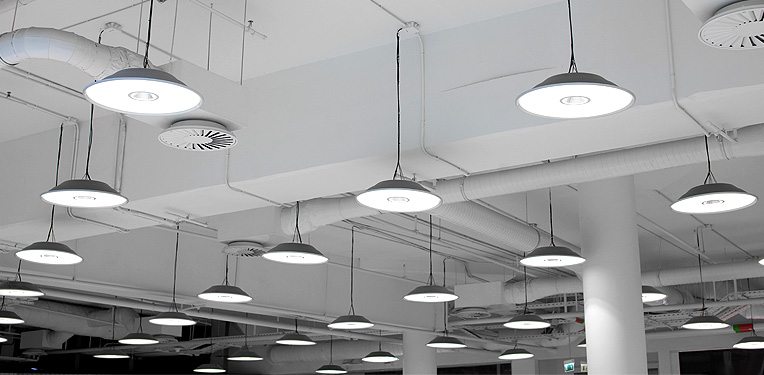
1. Efficiency Continues to Climb
LED lighting brought significant efficiency improvements to the general illumination market, and its performance benefits continue to advance.
LEDs utilized for general lighting now deliver significantly higher lumens per watt (LPW) than just a few years ago, and are often sold at lower price points and with better color rendering than in the past.
Similarly, general lighting can achieve efficiencies once reserved for premium lighting categories thanks to breakthroughs in chip design, thermal management, and optics. Once-basic products like bulbs, panels, troffers, and strips are now designed to last longer, consume less power, and provide more consistent light output in different environments.
In 2026, OEMs can leverage these efficiency improvements to deliver higher-performing products without increasing costs, ultimately enabling greater LED adoption across every market segment.

2. Smarter Lighting Expands Across Categories
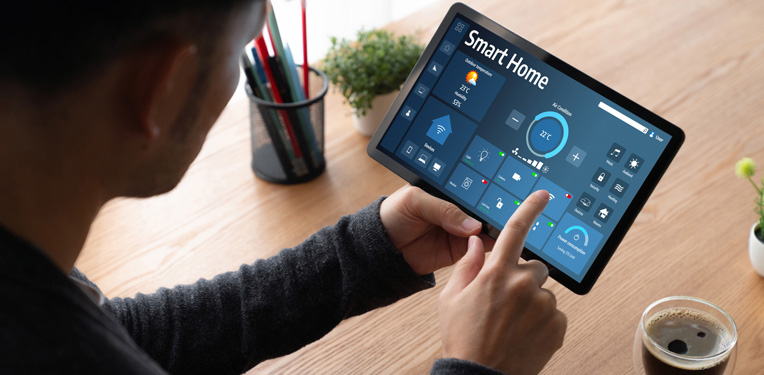
Smart lighting has become far more mainstream and accessible than when first introduced, and in 2026, we’ll see more general lighting categories getting smart lighting integrations.
A combination of simplified setup, interoperability, and value-added features is making wi-fi and Bluetooth-enabled fixtures and lamps affordable enough for broader deployment, whether in residential settings, small businesses, or for larger commercial applications.
General lighting can now feature voice and app control, occupancy sensing, scheduling, and energy monitoring, further expanding its capabilities and creating a new baseline for what customers can expect for customization and control.
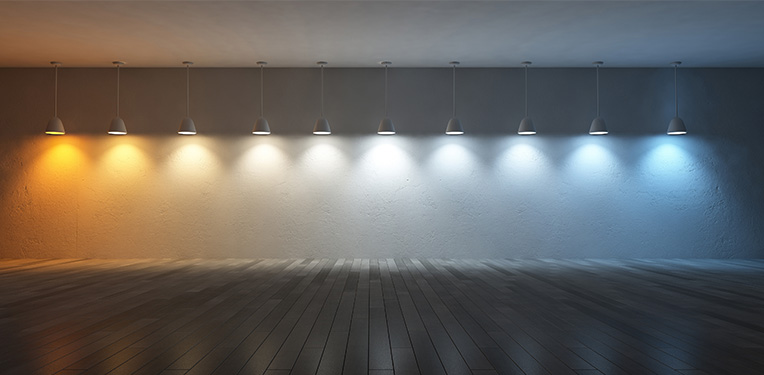
3. Tunable White Grows in Demand
Tunable white technology enables color temperature adjustments throughout the day to accommodate different activities, time of day changes, and occupant preference. Tunable white lighting has been largely used in high-end architectural environments such as office buildings, healthcare facilities, and retail stores; however, it is now expanding into the general lighting market.
Lower component costs and easier integration have made tunable white technology more accessible for general luminaires and retrofits.
In 2026, this trend to include tunable white in general lighting environments reflects a broader trend toward human-centric or circadian lighting. Manufacturers are able to meet consumer demand for environments that enhance comfort, focus, and wellbeing. Similarly, retailers and building managers can dynamically shift color temperature for visitors—elevating the ambience, increasing energy savings, and enhancing the customer experience—all without major infrastructure changes.
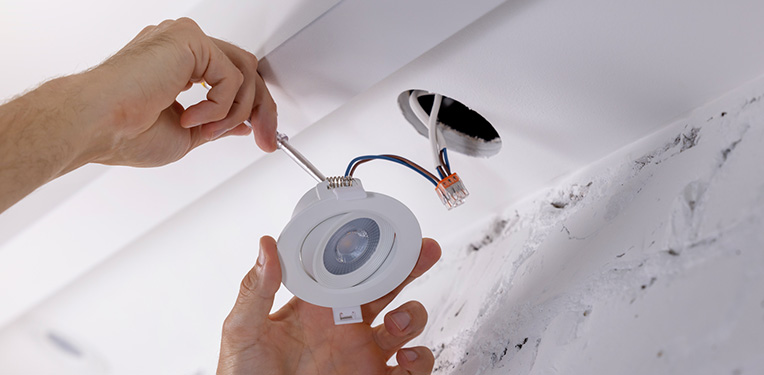
4. LEDs Gain Popularity for Simplified Retrofits
General lighting is becoming increasingly popular for retrofits because it provides standardized, cost-effective, and available LED technology that make fixture upgrades easy and affordable.
Retrofit solutions emphasize ease of installation, universal voltage compatibility, modular form factors, and integrated drivers that simplify the upgrade process, and general lighting has delivered on these needs, with LED replacements adding even greater benefit.
Modular LED designs help minimize downtime and eliminate the need for extensive rewiring or fixture replacements, ultimately making it easier for building owners or contractors to upgrade lighting systems without increasing costs or labor.
In 2026, the integration of LEDs into general lighting retrofits will deliver faster project completion, lower total cost of ownership, and greater sustainability through energy efficiency gains and longer product life.
5. Cost Efficiency Meets Sustainability
Efforts toward decarbonization, increased cost efficiency and energy efficiency, and reduced waste are gaining a foothold in general lighting from manufacturing processes to the use of LED integrations aimed at conserving resources and reducing maintenance and replacement cycles.
At the same time, declining component prices are enabling broader adoption of sustainable lighting products across residential, commercial, and industrial sectors, and in 2026, this trend will continue in the general lighting market.
General lighting is no longer just about affordability—it’s about delivering affordable yet eco-friendly solutions that can scale.
In just a few years, the lighting market has evolved to accommodate demands for greater efficiency, intelligence, and human-centric design. General lighting has now evolved to rapidly deliver these capabilities as well, making innovative lighting features accessible in broader lighting categories.
In 2026, manufacturers and product developers will be focused on how to further integrate these general lighting advancements in smart, modular, cost-effective, and sustainable ways.
Need expert guidance on your next project? Contact ERP Power today to explore lighting solutions tailored to your needs.