


The Right Choice for Your Project Specs
Selecting the right lighting for your project can be a bit of a balancing act. Cost, quality, delivery speed, efficiency, performance, and design all need to fit together in the project scope, and those are quite a number of factors to consider when selecting a lighting solution. General and architectural lighting are two approaches that can each address these project goals; however, they serve very distinct purposes.
In this post, we break down the primary differences between general lighting and architectural lighting, and the benefits of each that can help make your specific project a success.
General Lighting:
An All-Around Solution

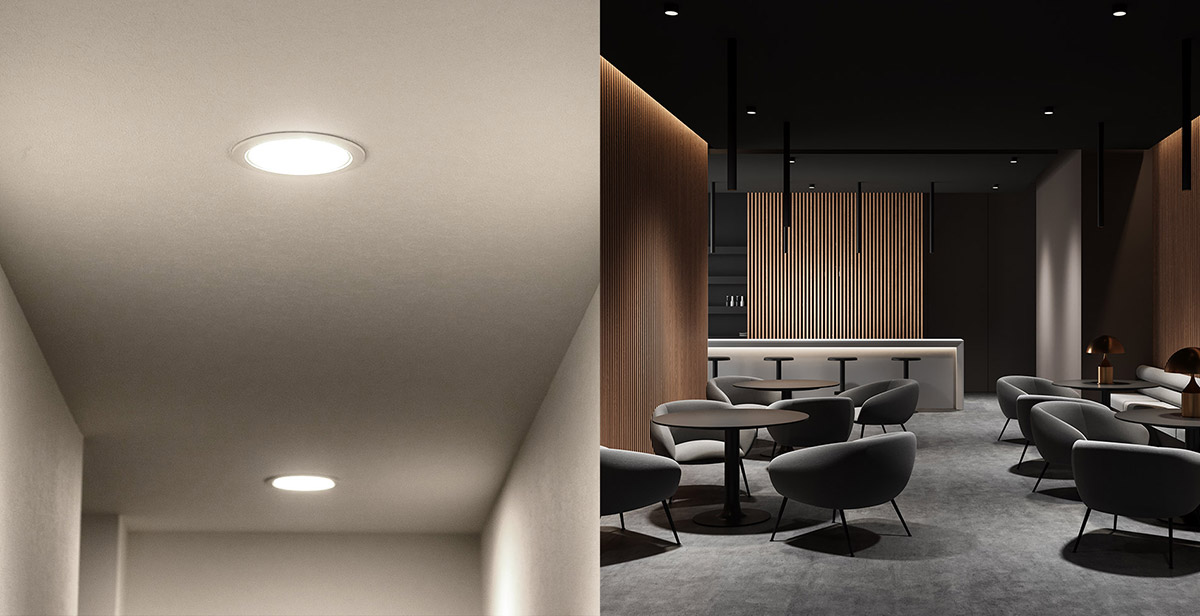
General lighting generally refers to standardized, readily-available lighting products, particularly LED lighting. This type of lighting is designed to offer functionality at an affordable cost, and general lighting fixtures typically serve general illumination purposes—think recessed office lighting, exterior wall mounts, or standard downlights for areas like hallways and utility rooms. Because they’re produced in high volume, general fixtures are widely available, affordable, and easy to source.
General lighting becomes a highly desirable option when budget constraints, tight timelines, or large-scale lighting projects demand speed and affordability. These fixtures meet baseline lighting performance requirements and are an easy solution for specific but relatively out-of-sight spaces like back-of-house areas (like utility rooms and corridors), storage spaces, warehouses, or standardized commercial spaces where aesthetics are less of a priority than utility.
Architectural Lighting:
Setting the Mood
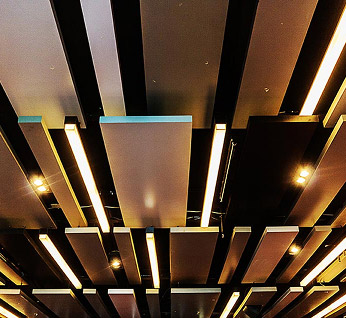
Architectural lighting emphasizes aesthetics over a more utility-focused solution. This type of lighting is a strategic choice focused on thoughtful integration with the building design, creating desired moods for certain areas, and choreographed illumination for each space. These fixtures aim to elevate the in-room experience with features like high Color Rendering Index (CRI), advanced optics, slim profiles, and tunable white or RGBW options. Architectural lighting is designed for long-term performance and brings visual comfort and sophistication to the forefront in any building design.
While storage spaces, warehouses and utility areas need functional lighting that simply illuminates the space for basic use, architectural lighting enables a full experience. Architects, designers, contractors, and builders select architectural lighting to impart a specific feeling when walking into a space like a hotel lobby, art gallery, upscale retail environment, or modern office. These fixtures complement the aesthetic of the room, the design of the building, or a brand’s identity. As a bonus, architectural lighting is a high-quality solution that supports longevity and energy efficiency, and can help future-proof large project investments.

Several well-known brands use architectural lighting to make their office spaces more comfortable and inviting for employees and visitors. Human-centric lighting, a design approach that mimics the patterns and cycles of natural light indoors, is used in many of these corporate spaces to promote employee wellbeing and create a connection with nature.
- Google is known for its innovative office design, which strategically incorporates natural lighting, human-centric lighting, and adjustable systems shown to enhance well-being and productivity.
- Amazon, like Google, uses human-centric lighting and systems that automatically adjust to the time of day and natural light levels in an effort to boost employee performance and satisfaction.
- EDGE Workspaces, which provide sustainable coworking environments in the Netherlands and Germany, offers wellness-centric offices that use abundant natural light, human-centric elements, and advanced lighting systems to optimize individual health and productivity.
- PwC’s Paris, France office combines modern-style aesthetics with more functional design, and uses lighting as a complement to promote innovation and collaboration.
Which Type of Lighting is Best for Your Project?
The key to smart specification isn’t choosing one category over the other—it’s understanding how each fits into your project’s unique requirements. Here are a few ways to evaluate your options with project specs in mind:
1. Scope & Budget
Large-scale commercial builds or basic retrofit projects often favor general lighting to meet coverage goals affordably. However, premium spaces with client-facing design requirements demand architectural lighting fixtures to achieve visual impact and design consistency.
Tip: A hybrid approach—general lighting for general areas, architectural lighting fixtures for focal zones—can help you stay on budget and deliver on all aspects of your project.
2. Design Intent
Architectural lighting is an excellent choice for highlighting structural elements, textures, or materials, as these fixtures are built to complement the building’s unique details and bring a space to life.
Tip: Builders and contractors, architects and lighting designers should collaborate early in the process to ensure lighting choices align with design intent and spatial goals.
3. Performance Requirements
If the project calls for high efficiency, advanced dimming capabilities, tunable lighting, or IoT integration, architectural lighting typically provides better performance and flexibility than general lighting.
Tip: Look for lighting solutions that combine efficiency and control, like ERP Power’s programmable drivers, compact power supplies, and LED light engines that can be used in both general and architectural applications depending on the fixture.
4. Lifecycle & Maintenance
While general lighting wins on upfront cost, architectural lighting may deliver a lower total cost of ownership through reduced maintenance, longer life spans, and energy savings.
Tip: Consider lifecycle cost analysis to support long-term planning, especially for facilities with high maintenance costs or limited access to fixtures.
Turning a Balancing Act into an Easy Solution
The smartest lighting strategies don’t rely solely on one category—they utilize and optimize the strengths of both.
General lighting provides greater scalability—especially across similar and less aesthetically-focused spaces—while architectural lighting elevates the experience in a space and reinforces design intent.
Need expert guidance on your next project? Contact ERP Power today to explore lighting solutions tailored to your needs.